by Magali Mutombo
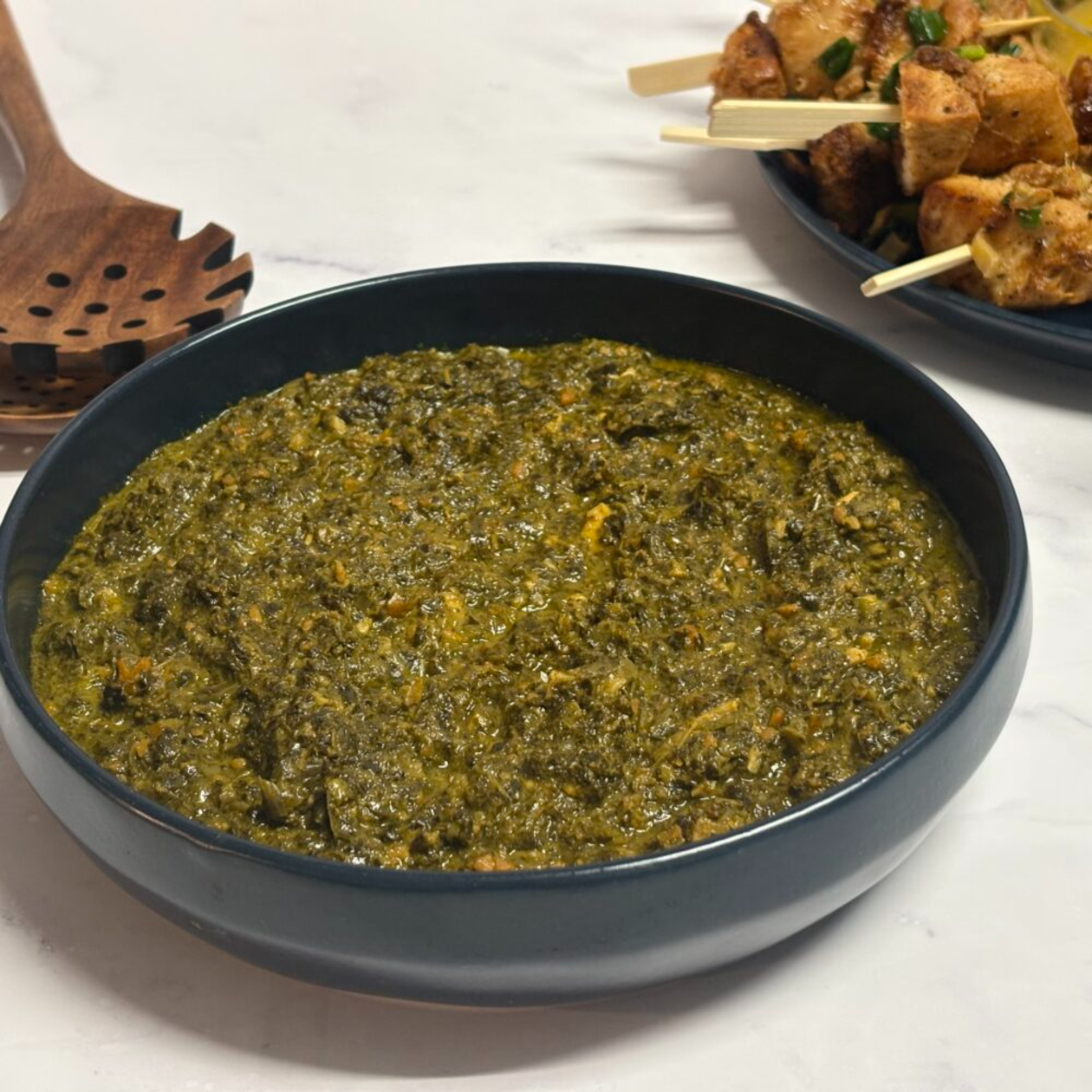
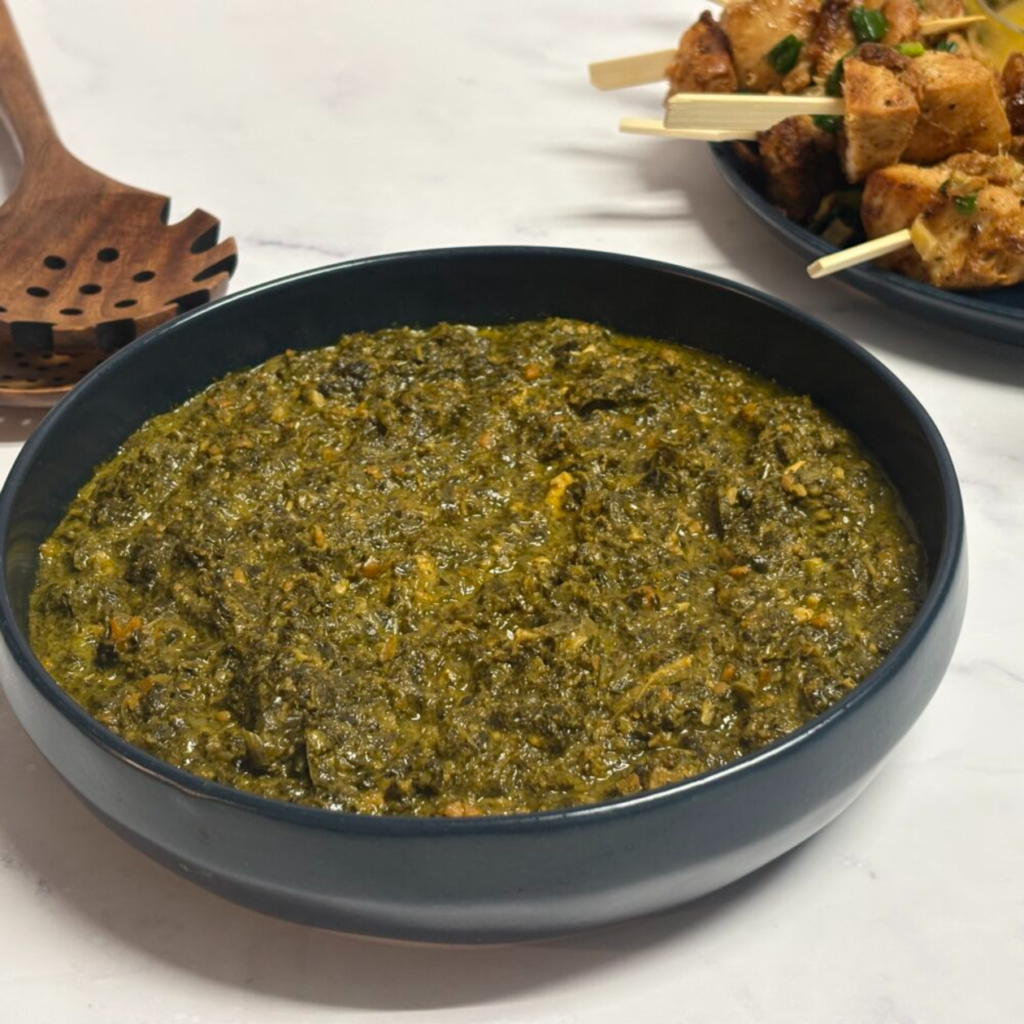
Pondu sits at the center of many Central African meals. The dish uses cassava leaves cooked low and slow with palm oil, vegetables, and peanuts. The result feels rich, earthy, and filling.
Many families across Congo, Angola, Cameroon, and neighboring countries prepare some version of pondu. Some add smoked fish. Others use meat or hot peppers. This version keeps the focus on cassava leaves, peanuts, and palm oil.
The long cooking time matters. Cassava leaves soften slowly and absorb flavor over time. The peanuts thicken the stew while palm oil gives depth and color.
This recipe uses frozen cassava leaves, so the process feels easier for home cooks outside Africa. The flavor still tastes traditional and comforting.
If you enjoy African comfort food with bold flavor, this pondu recipe deserves a place in your kitchen.
What Is Pondu?
Pondu is a cassava leaves stew popular in Central Africa. In some regions, people call the dish saka-saka or sombe.
Cassava leaves come from the cassava plant. The root feeds millions across Africa, but the leaves also play a major role in daily cooking.
Fresh cassava leaves need long cooking for safety and texture. Frozen cassava leaves shorten prep time and work well for home cooking.
Pondu often cooks with:
- Palm oil
- Onions
- Garlic
- Peppers
- Peanuts
- Smoked fish or meat
The flavor tastes deep and savory. The texture becomes soft and thick after simmering for over an hour.
Why This Pondu Recipe Works
This recipe uses two stages of palm oil cooking. Half cooks early with the vegetables and cassava leaves. The second half goes in later with the peanuts.
This method builds stronger flavor and smoother texture.
The blended vegetable base also changes the final result. Instead of large vegetable chunks, the onions, peppers, garlic, and carrots melt into the stew during cooking.
The peanuts thicken the stew naturally. No flour or cream needed.
Ingredients for Pondu with Peanut Stew
3 pounds frozen cassava leaves
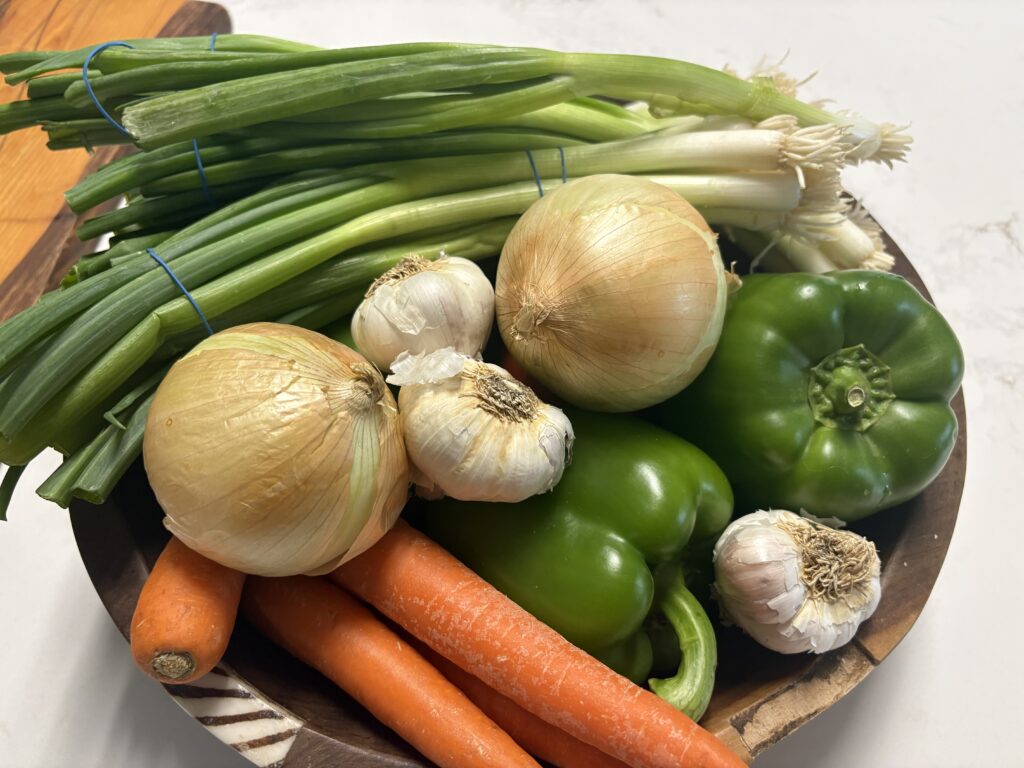
4 medium carrots
2 large onions
2 green peppers
1 1/2 cups fresh garlic
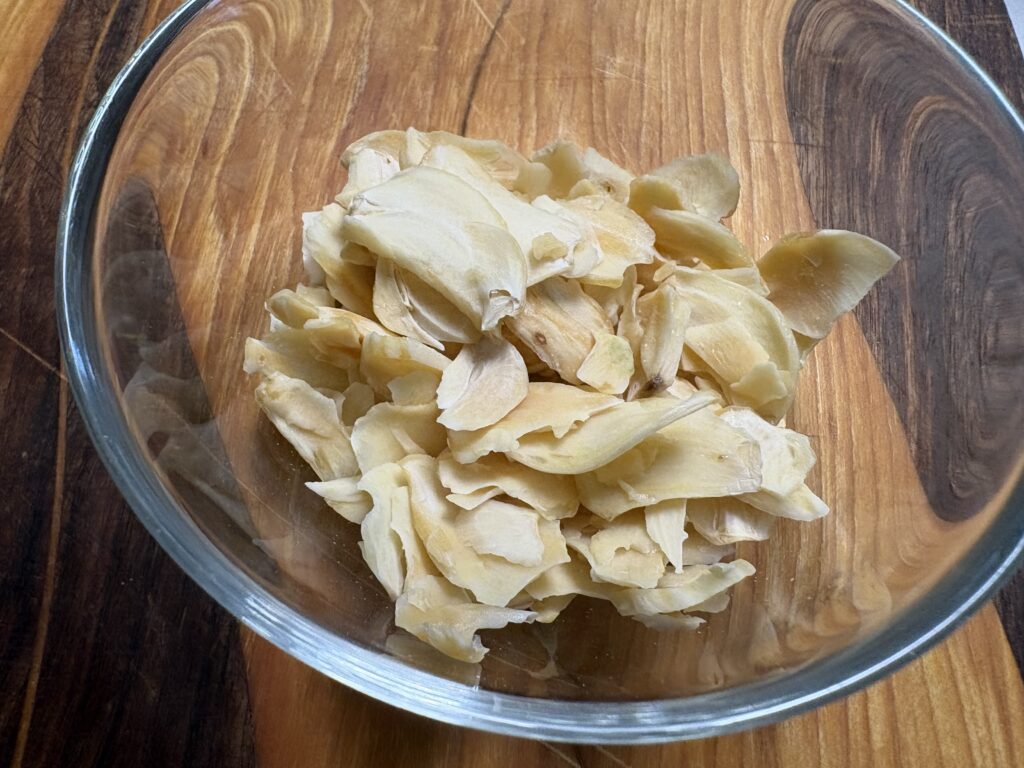
1 cup dry garlic, optional
4 bunches green onions
1 cup raw ground peanuts
1 1/2 cups palm oil, divided
1/4 cup salt, or to taste
Water as needed
Ingredient Notes
Frozen Cassava Leaves
Frozen cassava leaves save time and still produce strong flavor. African grocery stores often sell them in one-pound bags.
Palm Oil
Red palm oil gives pondu the deep orange color and rich flavor many people expect. Fresh palm oil tastes smoother and fuller.
Ground Peanuts
Raw ground peanuts thicken the stew during cooking. Peanut butter does not produce the same texture.
Green Onions and Garlic
These ingredients build the base flavor of the stew. Pondu absorbs seasoning slowly, so generous amounts work best.
How to Make Pondu
Step 1: Blend the Vegetables
Add the carrots, onions, green peppers, fresh garlic, dry garlic, and green onions to a food processor.
Pulse until finely chopped.
The mixture should look coarse and wet, not smooth like puree.
Step 2: Start the Cassava Leaves
Place the frozen cassava leaves into a large pot.
Cover with water and bring to a boil over medium-high heat.
Step 3: Add the Vegetables and Palm Oil
Add the chopped vegetable mixture to the pot.
Pour in half of the palm oil.
Stir well until combined.
Reduce the heat to medium-low and cook for 45 minutes. Stir every 10 to 15 minutes.
Add more water if the stew starts sticking to the bottom.
Step 4: Add the Peanuts
After 45 minutes, stir in the remaining palm oil and raw ground peanuts.
Mix well until the peanuts disappear into the stew.
Cook another 45 minutes to 1 hour.
The stew should look thick and glossy.
Step 5: Season and Serve
Taste the stew and add salt as needed.
Serve hot with rice, fufu, boiled cassava, or fried plantains.
Why Palm Oil Gets Added Twice
Many Central African cooks add palm oil in stages.
The first addition cooks into the cassava leaves. The second addition keeps the flavor stronger and fresher.
This process also changes the texture. The stew feels smoother and richer after the second addition.
Some recipes use all the palm oil at once. The flavor tastes flatter and heavier.
What Does Pondu Taste Like?
Pondu tastes earthy, nutty, and savory.
Cassava leaves develop deep flavor during long cooking. Palm oil adds richness while peanuts bring mild sweetness and body.
The texture feels thick and soft. Many people eat pondu with rice or fufu because the stew carries strong flavor.
Tips for Better Pondu
Cook Long Enough
Cassava leaves need time. Fast cooking leaves the texture rough and grainy.
Stir Often
Peanuts and palm oil settle at the bottom during cooking. Stirring keeps the stew smooth.
Use Enough Water
Pondu thickens over time. Add water gradually if the stew feels too dense.
Taste at the End
Salt levels change during long cooking. Final seasoning works best near the end.
Serving Ideas
Pondu pairs well with many African staples.
Serve alongside:
White rice- Fufu
- Boiled yam
- Cassava
- Fried plantains