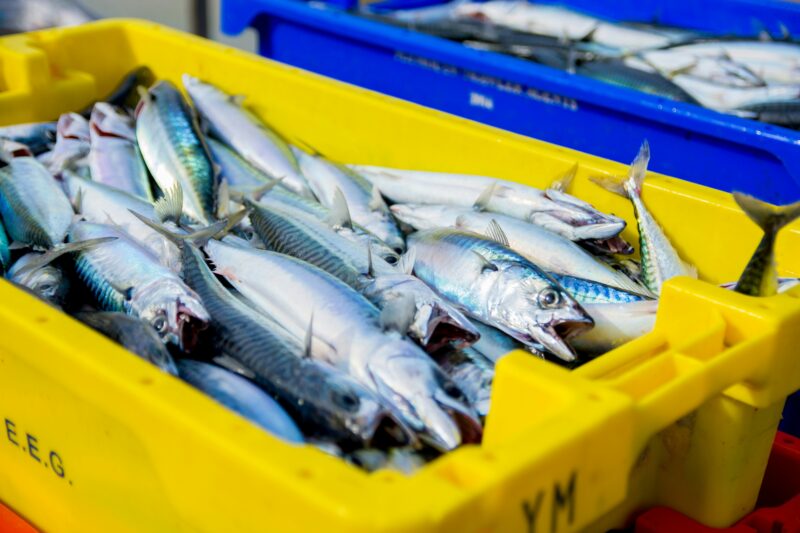
QFISH stocks in Lake Tanganyika declined by 62 percent over 28 years, falling from about 304,500 tonnes in 1998 to 116,000 tonnes at present.
Ng’wasi Kamani, the Livestock and Fisheries deputy minister, disclosed the findings when responding to Kalambo MP Edifonsi Kanoni, on when the government would conduct a survey to establish the current fish population level in Lake Tanganyika.
The Tanzania Fisheries Research Institute (TAFIRI) conducted surveys to determine the abundance and distribution of pelagic fish species in the lake, work that was undertaken in collaboration with Burundi, the Democratic Republic of Congo (DRC) and Zambia, given the lake’s shared surface and the need for coordinated management of its fisheries, he said.
Similar surveys were done in 1998, 2022 and 2024 before the recent collaborative survey where the findings showed a substantial decline in fish stocks over the period.
“Research findings show that the quantity of fish in Lake Tanganyika has declined from 304,500 tonnes in 1998 to about 116,000 tonnes in 2026, representing a 62 per cent decline,” he stated.
The trend was particularly concerning for important fish species such as sardines and sleek lates (migebuka), whose declining stocks affect fishing activities and the livelihoods of fishing communities.
The figures underline the growing pressure on one of the region’s major freshwater fisheries, pushing the government to strengthen measures to protect fish breeding grounds and control illegal fishing.
The measures were intended to provide fish with suitable conditions to reproduce and replenish stocks, thereby helping to restore the lake’s fish population. Cage fish growing is part of current strategies to increase fish production and reduce pressure on natural fish stocks.
Aquaculture expansion is expected to provide an additional source of fish while creating opportunities for income generation. Communities living around the lake need to play an active role in protecting fish resources and breeding areas.
Complying with fishing laws and regulations was vital as community participation is essential to combating illegal fishing and ensuring that the lake’s resources remain available for current and future generations, he declared.
Sustainable management demands enforcement of regulations and cooperation among regulators, fishing communities and other stakeholders, as protecting breeding grounds and preventing destructive or illegal fishing practices give fish populations precious time to recover.
A Fisheries Resources Management Authority would soon be created to strengthen the management and regulation of fisheries resources. It will be part of wider government efforts to improve the management of fisheries and ensure that the country’s fish resources are protected and used sustainably.
Research findings show that the quantity of fish in Lake Tanganyika has declined from 304,500 tonnes in 1998 to about 116,000 tonnes in 2026, representing a 62 per cent decline,”

Creative Approach to Every Project
Lorem ipsum dolor sit amet, consectetur adipisicing elit, sed do eiusmod tempor incididunt ut labore et dolore magna aliqua. Ut enim ad minim veniam, quis nostrud exercitation ullamco laboris nisi ut aliquip ex ea commodo consequat. Duis aute irure dolor in reprehenderit. Lorem ipsum dolor sit amet, consectetur adipiscing elit.
Etiam vitae leo et diam pellentesque porta. Sed eleifend ultricies risus, vel rutrum erat commodo ut. Praesent finibus congue euismod. Nullam scelerisque massa vel augue placerat, a tempor sem egestas. Curabitur placerat finibus lacus.